
How to Floss Your Teeth: A Complete Step-by-Step Guide for Optimal Oral Health
Flossing is one of the most important daily habits for maintaining excellent oral health, yet millions of people skip this crucial step. While brushing twice daily is essential, flossing reaches areas your toothbrush simply cannot clean. If you want to avoid cavities, gum disease, and tooth loss, learning how to floss properly is non-negotiable.
Many people avoid flossing because they’ve never learned the proper technique, find it uncomfortable, or don’t understand why it’s necessary. Our Staten Island dental team is here to change that. In this comprehensive guide, we’ll explain why flossing matters, demonstrate the correct technique, address common concerns, and provide tips to make flossing a habit you’ll actually maintain.
Why Flossing is Essential for Your Teeth and Gums
Your toothbrush, no matter how good, cannot clean between your teeth and below the gum line where plaque and food debris accumulate. These spaces are where tooth decay and gum disease typically start. Flossing is the only way to remove plaque from these critical areas.
- Prevents Cavities: Cavities form between teeth and in areas below the gum line where brushing can’t reach. Daily flossing removes the plaque that leads to decay, significantly reducing your cavity risk.
- Prevents Gum Disease: Plaque buildup below the gum line causes gum disease, which starts as reversible gingivitis but can progress to periodontitis. Flossing removes plaque before it hardens into tartar and damages your gums.
- Eliminates Bad Breath: Plaque and food debris between teeth create odor. Flossing removes these odor-causing materials, improving your breath.
- Protects Your Overall Health: Gum disease bacteria can enter your bloodstream, contributing to serious health conditions including heart disease, diabetes, and respiratory problems. Flossing protects not just your teeth but your overall health.
- Saves Money: Regular flossing prevents expensive dental problems. Treating gum disease, cavities, or tooth loss costs far more than spending two minutes daily on preventive care.
Studies show that people who floss daily have significantly fewer cavities and healthier gums than those who don’t. If you want to keep your teeth for life, flossing is non-negotiable.
Understanding Different Types of Floss
The best floss is the one you’ll actually use consistently. Different types work better for different people:
- String Floss: Traditional thin string floss comes waxed or unwaxed. Waxed floss slides more easily between tight teeth and is often recommended for beginners. Unwaxed floss is thinner and works well if your teeth have larger spaces. Both are equally effective when used properly.
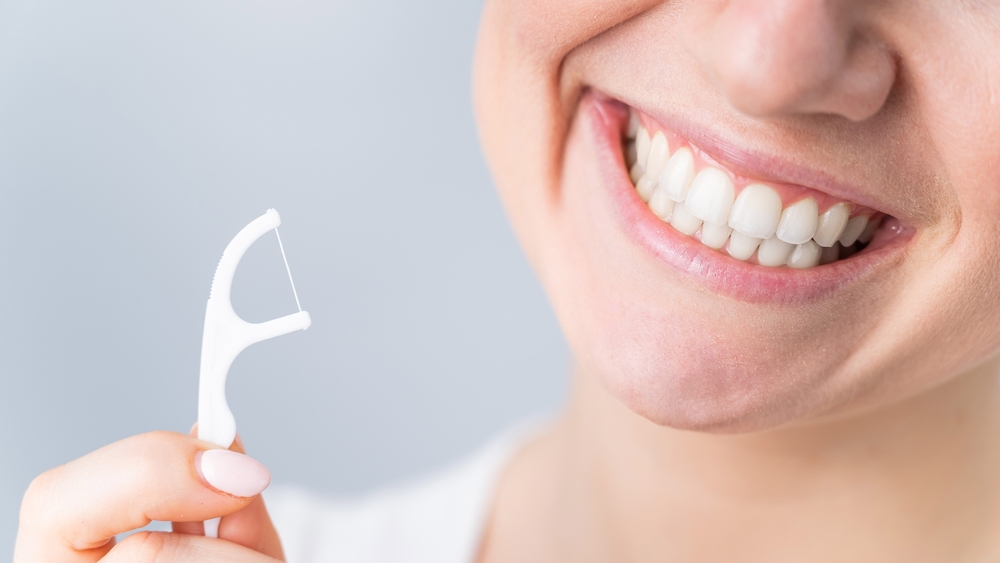
- Floss Picks: These small plastic tools have a short section of floss attached. They’re convenient, especially for people with limited dexterity, and great for on-the-go flossing. Some people find them easier to use than traditional floss.
- Water Floss: Water flossers use a stream of pressurized water to remove plaque. They work well for people with braces, implants, or bridges, and for those who struggle with traditional flossing. However, they’re more expensive and require electricity.
- Interdental Brushes: These tiny brushes fit between teeth. They work well for larger spaces between teeth and for people with implants or bridges.
- Dental Tape: Wider than traditional floss, dental tape is easier to handle for some people and works well if you have larger gaps between teeth.
The most important thing is to choose a type you’ll use consistently. Experiment to find what works best for you.
The Correct Flossing Technique: Step by Step
- Step 1: Get the Right Length. Break off approximately 18 inches of floss. This gives you enough for proper technique without wasting material.
- Step 2: Wind Around Your Fingers. Wrap most of the floss around your middle fingers, leaving about two inches of floss between your hands. This gives you control while leaving most of the floss in reserve so you can use a fresh section for each tooth.
- Step 3: Guide the Floss. Using your thumbs and index fingers, gently guide the floss between your upper teeth. Never snap the floss down hard into the gums—ease it gently into the space between teeth.
- Step 4: Clean Below the Gum Line. Once the floss is between teeth, curve it into a C-shape against one tooth. Gently slide the floss up and down the side of that tooth, moving it slightly below the gum line. You should feel slight resistance but no sharp pain.
- Step 5: Repeat on the Other Side. Still holding the C-shape, move the floss to the other side of the gap and repeat the up-and-down motion against the neighboring tooth.
- Step 6: Move to the Next Space. Advance to the next space between teeth, using a fresh section of floss. Repeat steps 3-5 for each space.
- Step 7: Don’t Forget the Back. Floss behind your back molars where your toothbrush can’t reach. This area is especially prone to decay.
- Step 8: Lower Teeth. Repeat the entire process on your lower teeth.
Common Flossing Mistakes to Avoid
- Snapping Floss Into Gums: Never force floss down between teeth. This can injure your gums and cause them to bleed. Gently ease floss between teeth with a slow, rocking motion.
- Using a Sawing Motion: Flossing isn’t like sawing wood. Use gentle up-and-down motions, not back-and-forth sawing, which can damage your gums.
- Skipping the Gum Line: The most important part of flossing is cleaning below the gum line, where disease starts. Don’t just clean the tight contact point between teeth—go below the gum line.
- Rushing: Flossing should take 2-3 minutes. Rushing means you miss areas and don’t clean thoroughly.
- Flossing Only When Food is Stuck: Floss daily, whether or not you see food between teeth. Plaque buildup that leads to disease isn’t always visible.
- Using Old, Frayed Floss: Once floss becomes shredded or frayed, it’s less effective and can irritate gums. Use fresh floss each time.
- Being Discouraged by Bleeding Gums: If your gums bleed when you first start flossing, don’t stop. Bleeding usually means your gums are inflamed from plaque buildup. Continue flossing gently, and the bleeding should stop within a week or two as your gums become healthier.
Establishing a Daily Flossing Habit
Knowing how to floss is only half the battle. Making it a daily habit is the real challenge. Here are strategies to make flossing a routine:
- Floss at the Same Time Daily: Choose a time when you’ll floss every day—perhaps after breakfast or before bed. Consistency builds habit.
- Link It to Existing Habits: Floss right after brushing your teeth. This way, brushing reminds you to floss.
- Keep Floss Visible: Place floss on your bathroom counter where you see it constantly. Out of sight, out of mind applies to flossing.
- Make It Easy: Keep floss in multiple locations—bathroom, car, office—so convenience never stops you.
- Track Your Progress: Use a calendar to check off days you floss. Seeing your streak of successful days motivates continued effort.
- Choose a Type You Enjoy: If you hate traditional floss, try floss picks, water floss, or interdental brushes. The best floss is the one you’ll use.
- Start Small: If flossing all teeth seems overwhelming, start by flossing just your upper front teeth for a week. Add more teeth as it becomes a habit.
Special Flossing Situations
Flossing with Braces. Traditional flossing is difficult with braces, but essential to prevent decay. Special floss threaders make it possible. Invisalign is easier to floss because you remove the aligners, but traditional braces require patience.
Flossing with Dental Implants. Dental implants should be flossed like natural teeth. Use a gentle technique and consider floss threaders to clean under implant crowns.
Flossing with Bridges. Dental bridges replace missing teeth but create spaces underneath where food and plaque collect. Use floss threaders to clean under the bridge.
Flossing with Crowns. Dental crowns should be flossed like natural teeth. Be gentle around the gum line where the crown meets your tooth.
Flossing with Tight Contacts. If your teeth are very tight, waxed floss or dental tape may work better than unwaxed floss.
What to Expect When You Start Flossing
If you haven’t been flossing regularly, expect some adjustment when you start:
- Gum Bleeding. Your gums may bleed for the first week or two. This indicates inflammation from plaque buildup, but it isn’t a reason to stop. Continue flossing gently, and bleeding should decrease as your gums become healthier.
- Slight Discomfort. Your gums may feel tender initially. This is temporary and usually resolves quickly.
- Improved Fresh Breath. Within days, you’ll likely notice fresher breath as you remove plaque and food debris.
- Healthier Gums. Within a week or two, your gums should look and feel healthier—less red, less tender, and less likely to bleed.
Don’t get discouraged by initial bleeding or discomfort. These are signs your mouth needs this care. Persist with gentle, correct technique, and you’ll quickly see improvements.
Frequently Asked Questions About Flossing
If my gums bleed when I floss, should I stop?
No. Bleeding usually means you have early gum disease (gingivitis) from plaque buildup. Continue flossing gently. The bleeding should stop within a week or two as your gums heal.
Is it better to floss before or after brushing?
Either time works, but many dentists recommend flossing first, then brushing. This removes plaque from between teeth so the fluoride in toothpaste can reach these areas. However, if timing makes you more likely to floss, do it whenever it works for you.
How often should I floss?
Ideally, floss once daily. If you can’t manage daily, more frequent flossing is always better than less frequent.
Can flossing damage my teeth?
Proper flossing doesn’t damage teeth. However, forcing floss between teeth or using a sawing motion can damage gums. Use gentle techniques and your teeth will stay healthy.
Why do my teeth have spaces if I floss?
Natural teeth sometimes have small spaces between them, especially lower front teeth. This is normal and doesn’t mean something is wrong. Flossing helps keep these spaces clean.
Is water flossing as effective as traditional flossing?
Water flossers can be effective, especially for people with braces or implants. However, traditional string floss remains the gold standard. Choose whatever type you’ll use consistently.
Your Path to Better Oral Health Starts Today
Flossing is a simple two-minute habit that dramatically improves your oral health. By learning proper technique and making flossing part of your daily routine, you prevent cavities, gum disease, and tooth loss while protecting your overall health.
If you’re struggling with flossing or want personalized guidance, our Staten Island dental team is here to help. During your next visit, ask us to demonstrate proper flossing technique or discuss which floss type might work best for you. Contact us at (718) 948-5111 to schedule your next appointment. We’re open 7 days a week and committed to helping you achieve the healthiest smile possible.