Save Your Tooth With a Root Canal
That nagging throb in your tooth isn’t going to fix itself. Whether it started as mild sensitivity a few weeks ago or woke you up at 3 a.m. last night, a toothache that won’t quit is your body’s way of telling you something is wrong inside the tooth, and it needs attention now. But luckily, you don’t have to lose that tooth with timely intervention.
At the dental office of Olsen, Napolitano, and Cangialosi, our Staten Island dental team has been helping patients save infected and damaged teeth through root canal therapy for over 30 years. Despite the reputation root canals have picked up over the decades, the procedure is far more comfortable than most people expect, and it’s often the fastest way to end the pain and get back to your life.
Ready to stop the pain? Call our Staten Island office at (718) 948-5111; we’re open 6 days a week and welcoming new patients.
The Tooth Pain Keeping You Up at Night Has a Name
Most patients don’t come to us saying, “I think I need a root canal.” They come to us because something has gone wrong with a tooth and it’s affecting their daily life. They can’t drink their morning coffee without wincing. They’ve stopped chewing on one side of their mouth. They’re taking ibuprofen every few hours just to get through the workday.
These are the warning signs that the inside of your tooth, the pulp, has become infected or inflamed. The pulp is the soft inner layer that contains nerves, blood vessels, and connective tissue. When bacteria breach the outer layers of your tooth through a deep cavity, crack, or dental trauma, the pulp becomes compromised. Without treatment, the infection spreads, the pain intensifies, and the tooth can be lost entirely.
Common signs you may need root canal therapy include:
- Severe, throbbing toothache that doesn’t let up
- Sharp sensitivity to hot or cold that lingers long after the temperature source is gone
- Pain when you bite down or apply pressure to the tooth
- Swelling or tenderness in the gum tissue surrounding the tooth
- A small pimple-like bump on your gum (called a dental abscess or fistula)
- Darkening or discoloration of the affected tooth
- A persistent bad taste or odor in your mouth
Some patients experience all of these symptoms. Others experience only one, or none at all. That’s why regular dental check-ups matter so much. Our dentists can spot the early signs of pulp damage on an X-ray before you even feel discomfort.
If any of these symptoms sound familiar, don’t wait. Contact our Staten Island dental office to schedule an evaluation as soon as possible.
What Is Root Canal Therapy, And Why It’s Not What You Think
Root canal therapy has one of the most unfair reputations in all of dentistry. Patients dread it, and they put it off, often choosing extraction over treatment because they’ve heard root canal horror stories. But for most patients, a root canal feels no different from having a cavity filled.
The procedure involves removing the infected or damaged pulp from inside your tooth, cleaning and shaping the interior canals, and sealing the space with a biocompatible material. The tooth is then restored with a crown or filling to protect it and restore normal function. You keep your natural tooth, and the pain goes away.
Understanding the basic anatomy of your tooth helps put the procedure in context:
- Enamel: The hard outer shell of your tooth, the strongest substance in the human body.
- Dentin: The yellowish layer beneath the enamel that makes up the bulk of your tooth structure.
- Pulp: The soft innermost layer containing nerves, blood vessels, and connective tissue.
During root canal therapy, only the pulp is removed. The rest of your natural tooth stays intact. A fully restored tooth that’s had a root canal can last a lifetime with proper care, just like any other tooth in your mouth.
The reason root canals developed their scary reputation has more to do with the infection itself than the treatment. Patients would wait until the pain was unbearable, meaning significant inflammation and infection were already present. Modern anesthesia makes the procedure itself virtually painless. What you’ll feel afterward is relief.
The Root Canal Process at Our Staten Island Office
Every root canal starts the same way with a thorough evaluation. Dr. Napolitano, Dr. Olsen, Dr. Cangialosi, or one of our other experienced dentists will take a digital X-ray to assess the shape of your root canals and check for any signs of infection in the surrounding bone. From there, we create a treatment plan specific to your tooth.
Here’s what to expect during the procedure:
- Local Anesthesia: We thoroughly numb the area around the tooth before we begin. If you tend to be anxious about dental work, let us know, and we can discuss additional comfort options to help you relax.
- Pulp Removal: A small opening is made through the crown of the tooth. Using specialized instruments, we gently remove the infected or damaged pulp tissue from inside the tooth and its root canals.
- Cleaning and Shaping: The canals are cleaned, enlarged, and shaped with tiny files and an antibacterial solution to eliminate any remaining bacteria and debris.
- Sealing the Canals: The cleaned canals are filled with gutta-percha, a biocompatible rubber-like material, and sealed with adhesive cement to prevent reinfection.
- Temporary or Permanent Restoration: Depending on your case, a temporary filling is placed while we prepare a dental crown to protect the tooth long-term. In some cases, a permanent filling may be placed instead.
Most root canals at our Staten Island office are completed in one or two visits. By the time you leave your appointment, the source of your pain has been eliminated, and your tooth is on its way to full recovery.
Why Staten Island Patients Choose Nasso Olsen Napolitano for Root Canal Treatment
Our Dentists Are Your Neighbors
Dr. Ron Napolitano is a lifelong Staten Island resident, a graduate of Monsignor Farrell High School, and a fixture in this community for decades. Dr. Lucille Cangialosi was born and raised on the South Shore of Staten Island. Dr. Ola Tantawy grew up here and attended Port Richmond High School. Dr. Caryn Kabilo is a graduate of the College of Staten Island’s Verrazano Honors Program. These aren’t dentists who commute in from elsewhere. They live here. They’re invested in this community because it’s theirs too.
Specialized Endodontic Expertise In-House
Dr. Kristina Accardo, DMD, brings particular expertise in molar endodontics, one of the most technically demanding aspects of root canal treatment. A graduate of Rutgers School of Dental Medicine who completed her residency at Staten Island University Hospital, Dr. Accardo has extensive experience treating complex root canal cases, including medically complex patients. You don’t always need a referral to a specialist when we have that level of expertise right here in our office.
30+ Years Serving Staten Island Patients
Our practice has been a trusted part of the Staten Island community for over three decades. Dr. Eleanor Olsen, DDS, FAGD, a Columbia University School of Dental & Oral Surgery graduate and Fellowship member of the Academy of General Dentistry, has been serving patients since 1985. That kind of longevity doesn’t happen without consistently delivering results patients trust.
Open 6 Days a Week
Tooth infections don’t wait for convenient business hours. Our Staten Island dental office is open six days a week so that when you’re in pain, you can get the care you need quickly, without waiting days for an available appointment.
We Accept Many Insurance Plans
We work with many major dental insurance plans, and our Insurance Coordinators are happy to help you understand your coverage before treatment begins. Call us at (718) 948-5111 or email appointments@sidental.com to discuss your plan.
A Practice Built on Patient Comfort
We know root canals carry a reputation. Our entire team is focused on changing that experience for you. From thorough pre-treatment numbing to gentle technique and clear communication throughout your procedure, we work hard to make sure you feel at ease, not just treated.
What to Expect After Your Root Canal
Recovery from root canal therapy is typically straightforward. Most patients return to their normal routine, including work, the same day or the day after their procedure.
Some mild soreness or sensitivity around the treated tooth is completely normal for two to three days after treatment. This is your body’s natural response to the procedure, not a sign that anything went wrong. Over-the-counter pain relievers like ibuprofen manage this discomfort well for the vast majority of patients.
You’ll want to avoid chewing hard or crunchy foods on the treated side until your permanent crown or filling is in place. The temporary restoration we place after the root canal is durable, but your tooth needs that permanent protection before it’s back to full function.
Once your permanent dental crown is placed, your restored tooth should feel and function just like any other tooth in your mouth. Brush, floss, and maintain your regular dental cleanings; a well-restored root canal tooth can last a lifetime.
If you experience severe pain, significant swelling, or a reaction to your medication, contact our office right away at (718) 948-5111. These symptoms are uncommon, and we want to address them promptly if they occur.
Frequently Asked Questions
How do I know if I need a root canal or just a filling?
A filling is appropriate when decay hasn’t reached the inner pulp of the tooth. If the infection or damage has reached the pulp, causing persistent pain, sensitivity that lingers, swelling, or a visible abscess, a root canal is typically required. The only way to know for certain is an examination and X-ray at our Staten Island office.
What happens if I don’t get a root canal?
Left untreated, an infected tooth does not heal on its own. The infection can spread to surrounding teeth and bone, cause a painful abscess, and ultimately require tooth extraction. Replacing a missing tooth with a dental implant or dental bridge is significantly more involved and expensive than a root canal. Treating the problem now almost always saves time, money, and discomfort in the long run.
Does insurance cover root canal therapy?
Most dental insurance plans include coverage for root canal therapy, though the percentage varies by plan and tooth location. Our insurance coordinators will review your benefits before treatment so you know exactly what to expect.
Your Tooth Can Still Be Saved
Root canal therapy has a reputation that doesn’t match the reality. The procedure that Staten Island patients dread is, in most cases, the fastest, most effective way to end tooth pain and preserve a natural tooth you’d otherwise lose. With an experienced team, modern techniques, and a genuinely caring practice, it’s a procedure you can walk into with confidence. Our dental office has been trusted by Staten Island families for over 30 years. We’re open 6 days a week. We take your pain seriously. And we’re ready to help.
Call our Staten Island dental office at (718) 948-5111 to schedule your consultation or contact us online. Same-day evaluations are available for patients in pain.




Insurance
We accept many insurances. Please contact one of our Insurance Coordinators to discuss your dental coverage plan.
(718) 948 5111
appointments@sidental.com
Open 6 days a week
Reviews
The dentists are absolutely excellent…
“I have been going here for years. The dentists are absolutely excellent and they always have an appointment available that fits into a busy schedule. I also completed invisilgn and my teeth are perfectly straight now. They also practice preventive medicine and just went in for my 6 month cleaning. Every time feel like I have a new set of choppers and best yet the check up noted no cavities!.”
— J.R
Pleasant visit
“As usual, it was a pleasant visit thanks to Dr. Nasso and her great staff..”
— C.M.
Always treated with courtesy and respect.
“Always treated with courtesy and respect. All of my questions were answered regarding upcoming treatments..”
— J.C.
Smile Profile
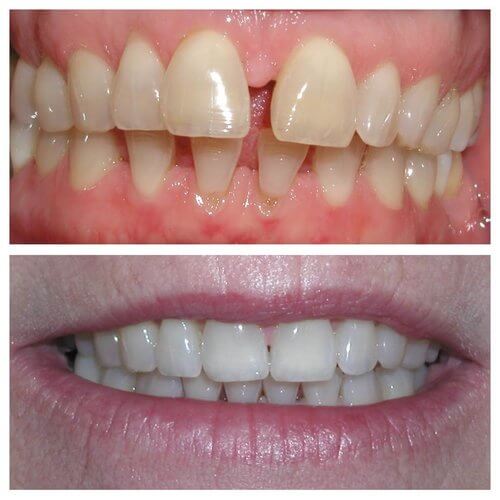
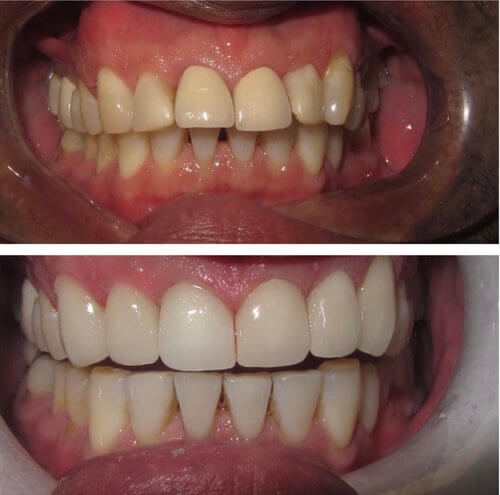
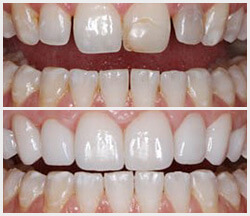
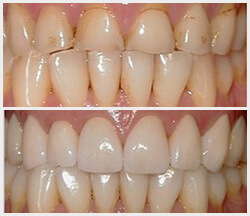
Put your best face forward.
Create a positive change to your teeth and your smile.