Replace a Missing Tooth with a Dental Bridge
Losing a tooth changes more than your smile. It affects how you chew, how you speak, and, if you’ve been living with that gap for a while, how you feel about yourself in photos and conversation. The good news is that a dental bridge is a proven, fixed solution that restores what’s missing without surgery, starting over somewhere new, or multiple provider headaches.
We’ve been placing dental bridges for South Shore families since 1991. If you’re coming from Tottenville, Great Kills, Annadale, or Eltingville, our Hylan Boulevard office handles this from consultation to final placement all under one roof. Contact our Staten Island dentists today by calling (718) 948 5111 to schedule an appointment.
Why Patients Choose Us for Restorative Work
This dental practice has been restoring smiles on the South Shore for over 30 years. We’re not a chain. We’re not a rotating roster of strangers. The dentist who does your consultation is the dentist who places your bridge, and the team that cleans your teeth every six months knows your full dental history.
Several of our dentists were trained here on Staten Island, Dr. Cangialosi and Dr. Tantawy, both of whom completed their General Practice Residency at Staten Island University Hospital. Dr. Olsen holds a Fellowship in the Academy of General Dentistry, an achievement earned by fewer than 7% of dentists nationwide.
What Is a Dental Bridge?
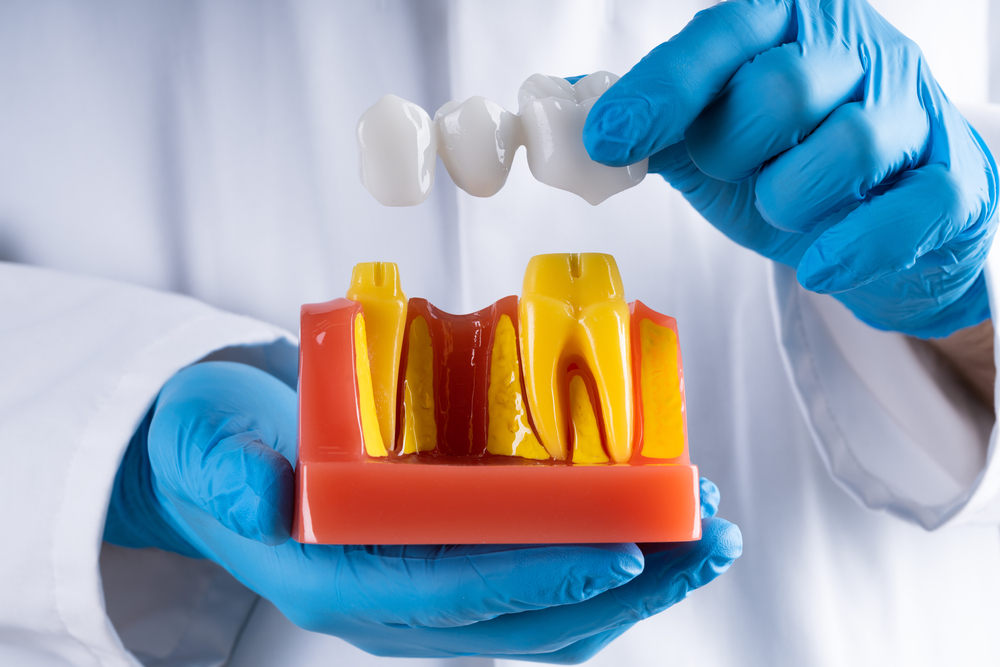
A dental bridge is a fixed restoration that spans the gap left by a missing tooth (or teeth). It’s anchored to the healthy teeth on either side of the space, called abutment teeth, using dental crowns, with the replacement tooth (the pontic) suspended in between. The result is a natural-looking, fully functional tooth that’s cemented in place. Bridges can be made from porcelain, ceramic, or metal alloys, depending on the location in your mouth and your preferences. We’ll walk you through the options at your consultation.
What to Expect During the Procedure
A dental bridge typically takes two appointments:
- First visit: We prepare the abutment teeth by reshaping them slightly to accommodate the crowns that will anchor the bridge. Impressions are taken and sent to our dental lab. You’ll leave with a temporary bridge protecting the area.
- Second visit: Your custom bridge comes back from the lab, and we’ll check the fit, make any adjustments, and cement it permanently in place.
And that’s it! Most patients are eating normally within a day or two.
Why Replacing a Missing Tooth Matters
A gap in your smile isn’t just cosmetic. When a tooth goes missing, the surrounding teeth gradually shift toward the open space. Your bite changes. The jawbone in that area begins to lose density from lack of stimulation. Over time, what started as one missing tooth can create a cascade of problems, including crowding, wear on other teeth, and changes to your facial structure.
A dental bridge stops that process. Here’s what patients typically experience once a bridge is in place:
- A complete, natural-looking smile: Porcelain and ceramic bridges are matched to the color of your surrounding teeth. Most people won’t know you had a tooth replaced, including you, once you stop thinking about it.
- Restored chewing and speaking: Missing teeth affect how you bite and chew. A fixed bridge gives you back full function without the adjustments that come with a removable option.
- Teeth that stay where they belong: Adjacent teeth drift. Opposing teeth can over-erupt into the gap. A bridge fills the space and keeps everything stable.
- Maintained facial structure: Your teeth support the shape of your face. When bone loss follows tooth loss, it can gradually change your appearance. A bridge helps preserve that structure.
- A fixed, low-maintenance solution: Unlike a removable partial denture, a bridge stays in. You brush it, floss under it with a threader or water flosser, and see us for your regular cleanings. That’s the routine.
- Peace of mind: You don’t need a referral, a new provider, or a second office. We’ve been doing restorative work on the South Shore since 1991, and your bridge, from consultation to final placement, happens with a team that already knows you.
Who Is a Good Candidate for a Dental Bridge?
A bridge works best when:
- You have one to three consecutive missing teeth
- The teeth on either side of the gap are healthy and strong enough to support crowns
- Your gums are in good health (or treatable before we begin)
- You’re committed to keeping up with brushing, flossing, and regular teeth cleanings
If you’ve been missing a tooth for a long time, there may be some bone loss in the area. That doesn’t automatically disqualify you, but it does factor into which solution makes the most sense. In some cases, a dental implant or implant-supported bridge is actually the stronger long-term choice. Our dentists will tell you honestly.
How Long Does a Dental Bridge Last?
With proper care, a dental bridge typically lasts 10 to 15 years, and often longer. The variables that matter most in longevity include how well you clean around it, whether you keep up with your regular cleanings here, and how you treat your teeth overall.
- One note on whitening: the porcelain in a bridge doesn’t respond to whitening treatments the way natural enamel does. If you’re thinking about brightening your smile, it’s worth doing that before we finalize the shade of your bridge, so everything matches. Just mention it at your consultation, and we’ll plan accordingly.
What Does a Dental Bridge Cost?
Bridge costs vary based on the number of teeth being replaced, the type of bridge, the materials used, and whether any preparatory work (like treating gum disease) is needed first. A traditional bridge for a single missing tooth typically costs between $2,000 and $5,000.
We accept Delta Dental, Aetna, Cigna, MetLife, and Guardian, and many plans cover a portion of bridge costs as a restorative procedure. We also offer CareCredit financing for patients who want to spread the cost over time.
Frequently Asked Questions
Will a dental bridge feel like a real tooth?
Most patients adapt to their restoration within a week or two. Once you’re used to it, a well-fitted bridge feels and functions like a natural tooth.
Do I need to do anything special to care for a bridge?
Floss threaders or a water flosser help clean under the pontic. Your regular hygiene routine and six-month cleanings take care of the rest.
What if a bridge isn't right for me?
Our dentists will let you know if a dental bridge isn’t right for you. If your situation is better served by an implant, a partial denture, or an implant-supported bridge, we’ll explain why, and we handle all of those here, too.
Schedule Your Dental Bridge Consultation Today
If you’ve been putting this off, whether it’s been six months or six years, we’re not here to judge. We’re here to help you figure out the best path forward and do the work well. Contact our trusted dentists in Staten Island today at (718) 948-5111.

Insurance
We accept many insurances. Please contact one of our Insurance Coordinators to discuss your dental coverage plan.
(718) 948 5111
appointments@sidental.com
Open 6 days a week
Reviews
The dentists are absolutely excellent…
“I have been going here for years. The dentists are absolutely excellent and they always have an appointment available that fits into a busy schedule. I also completed invisilgn and my teeth are perfectly straight now. They also practice preventive medicine and just went in for my 6 month cleaning. Every time feel like I have a new set of choppers and best yet the check up noted no cavities!.”
— J.R
Pleasant visit
“As usual, it was a pleasant visit thanks to Dr. Nasso and her great staff..”
— C.M.
Always treated with courtesy and respect.
“Always treated with courtesy and respect. All of my questions were answered regarding upcoming treatments..”
— J.C.
Smile Profile
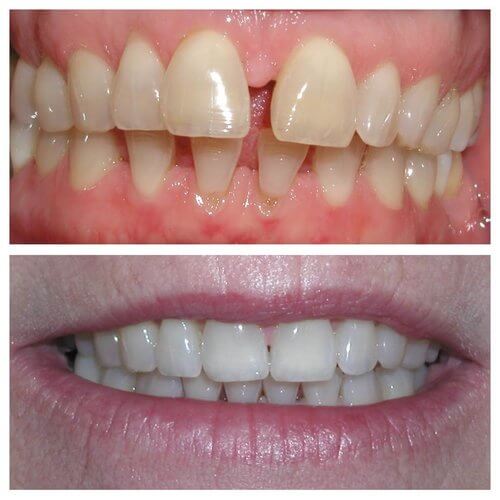
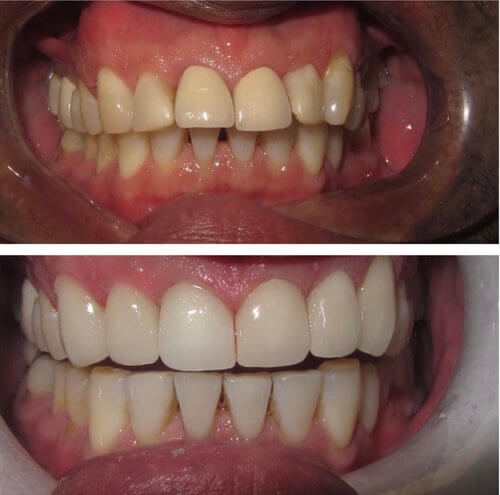
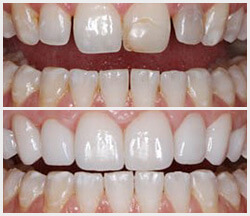
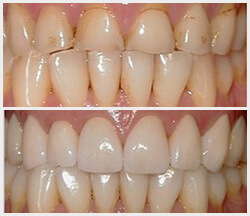
Put your best face forward.
Create a positive change to your teeth and your smile.