
Do You Deal With Jaw Pain? Call Our Staten Island Dentist Today!
If your jaw aches when you chew, clicks when you open wide, or you’re waking up with headaches you can’t explain, you’re not imagining it — and you’re not alone. TMJ disorders (TMD) are one of the more commonly underdiagnosed sources of chronic facial pain we see at our Hylan Boulevard practice, and the good news is that most cases respond well to conservative treatment once we identify what’s actually going on. We see TMD patients from all across southern Staten Island — Tottenville, Great Kills, Annadale, Eltingville, Huguenot, Pleasant Plains, Oakwood, and Richmond Valley.
If jaw pain is affecting your daily life, don’t wait it out. Call our Staten Island dental office at (718) 948-5111 to schedule an evaluation, or request an appointment online.
Types of TMJ Disorders We See
Not all TMJ pain looks the same. In our experience treating TMD patients here, the most common patterns are:
- Myofascial pain disorder — the most frequent type we encounter. It shows up as soreness or tightness in the muscles that move the jaw, often tied to stress, teeth grinding, or overuse rather than the joint itself.
- Internal joint derangement — this happens when the small disc that cushions the joint slips out of position. Patients usually describe a clicking, popping, or catching sensation, sometimes with the jaw briefly “locking” open or closed.
- Degenerative joint disease — over time, the cartilage cushioning the joint can wear down, leading to bone-on-bone friction. This is more common in older patients or those with a history of jaw trauma or arthritis.
- TMJ ankylosis — rare, but serious: the joint effectively fuses, severely limiting jaw movement. This typically requires more involved treatment, and we’ll coordinate a referral to an oral surgeon when it does.
What Causes TMJ Disorders?
There’s rarely one single cause. In practice, we usually find some combination of:
- A jaw injury — a sports impact, a car accident, or even a bad fall
- Chronic teeth grinding or clenching (bruxism), which puts sustained pressure on the joint
- Arthritis or other joint disease affecting the TMJ
- A displaced or damaged disc within the joint
- Stress-related muscle tension in the jaw and face
Symptoms to Watch For
Patients come to us describing a wide range of symptoms, including:
- Pain or tenderness in the jaw, face, or ear
- Difficulty or discomfort opening and closing the mouth
- Clicking, popping, or grating sounds when chewing or talking
- Headaches, neck aches, or shoulder tension
- Trouble chewing or a bite that suddenly feels “off”
- Swelling on one side of the face
If several of these sound familiar, it’s worth having it looked at rather than living with it — our Staten Island dentists can examine your bite and jaw movement to pinpoint the cause.
Who Is Most at Risk?
We tend to see TMD more often in patients who:
- Have a history of jaw trauma (sports, whiplash, etc.)
- Grind or clench their teeth, especially during sleep
- Have arthritis or another joint condition
- Have a displaced jaw disc
- Carry tension in the neck and shoulders from poor posture
- Are women, particularly younger adults, though TMD can occur at any age
According to the National Institute of Dental and Craniofacial Research, TMD affects between 5% and 12% of the population, and — unusually for a chronic pain condition — it’s more prevalent among younger people. TMJ disorders are also at least twice as common in women as in men.
How We Diagnose TMD
Diagnosis starts with a conversation and a hands-on exam — we’ll ask about your symptoms, check your bite, listen for joint sounds, and evaluate the range of motion in your jaw. In some cases, we’ll recommend X-rays or an MRI to get a clearer picture of the joint and disc before recommending treatment. You can read more about what TMJ disorders look like and how we approach an evaluation.
Treatment Options
Most patients respond well to conservative, nonsurgical care. Depending on what we find, that might include:
- Resting the jaw and avoiding hard or chewy foods for a while
- Heat or cold therapy
- Over-the-counter pain relief (ibuprofen or acetaminophen)
- Targeted jaw exercises to restore flexibility
- A custom nightguard or splint to prevent grinding
- Physical therapy or massage
- Muscle relaxants, when appropriate
- Stress-reduction techniques, since clenching often has an emotional trigger
When conservative care isn’t enough, we may recommend more advanced treatment, such as anti-inflammatory injections into the joint, correcting a misaligned bite, or, in rare cases, surgical repair. We’ll always start with the least invasive option that gives you real relief.
How Much Does TMJ Treatment Cost?
Cost depends on what your case needs. Nationally, a custom-fitted nightguard from a dentist typically runs $400–$800, and more involved stabilization splints for active TMJ symptoms can run higher — into the $600–$1,500 range in some metro markets — depending on materials and how much bite adjustment is required. Advanced treatment like joint injections or bite correction costs more and depends on your specific case.
Many dental insurance plans cover at least part of TMD treatment when it’s medically necessary rather than cosmetic — our insurance coordinators can check your specific benefits before you commit to a treatment plan, and we also accept CareCredit financing for patients paying out of pocket.
Preventing TMJ Problems
A few habits go a long way:
- Skip the gum chewing and nail biting
- Watch your posture, especially if you’re at a desk most of the day
- Wear a mouthguard if you grind or clench at night
- Don’t wait out jaw pain — early attention usually means simpler treatment
Insurance
We accept most major dental insurance plans, and TMD treatment is often partially covered when it’s deemed medically necessary rather than cosmetic. We also offer CareCredit financing. Please contact one of our Insurance Coordinators to discuss your specific coverage for nightguards, splints, or other TMJ treatment.



Insurance
We accept many insurances. Please contact one of our Insurance Coordinators to discuss your dental coverage plan.
(718) 948 5111
appointments@sidental.com
Open 6 days a week
Frequently Asked Questions
Is TMJ disorder a common condition?
Yes. According to the NIDCR, TMD affects between 5% and 12% of the population, and it’s at least twice as common in women as in men. Many people never seek treatment or are misdiagnosed with other conditions, so it’s likely more common than diagnosis rates suggest.
Can children develop TMJ disorders?
Yes, children can develop TMJ disorders, although it’s less common than in adults. Some common causes of TMD in children include jaw injuries, misaligned teeth or jaws, and habits such as nail biting, gum chewing, or thumb sucking.
Are there any dietary factors that can contribute to TMJ disorder?
Yes, certain dietary factors can contribute to TMJ disorder:
- Eating hard or crunchy foods, such as nuts or popcorn, can put excessive strain on the joints and jaw muscles, exacerbating TMD symptoms.
- Chewing gum or eating chewy foods, such as candy or gumdrops, can also contribute to jaw pain and discomfort.
- Consuming foods high in sugar or caffeine can contribute to muscle tension and pain, which can worsen TMJ symptoms.
How long does TMJ treatment take to work?
Most patients notice improvement within a few weeks of consistent nightguard use or jaw exercises. More involved cases — especially those needing bite correction — can take a few months, with periodic check-ins to see how you’re responding and adjust the plan if needed.
Can TMJ disorder go away on its own?
Mild, stress-related TMD sometimes improves on its own once the underlying trigger resolves. But ongoing clicking, locking, or pain usually needs treatment to prevent the joint or disc from getting worse over time — that’s why we recommend getting it evaluated rather than waiting it out.
Reviews
The dentists are absolutely excellent…
“I have been going here for years. The dentists are absolutely excellent and they always have an appointment available that fits into a busy schedule. I also completed invisilgn and my teeth are perfectly straight now. They also practice preventive medicine and just went in for my 6 month cleaning. Every time feel like I have a new set of choppers and best yet the check up noted no cavities!.”
— J.R
Pleasant visit
“As usual, it was a pleasant visit thanks to Dr. Nasso and her great staff..”
— C.M.
Always treated with courtesy and respect.
“Always treated with courtesy and respect. All of my questions were answered regarding upcoming treatments..”
— J.C.
Smile Profile
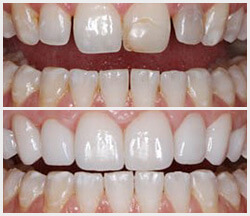
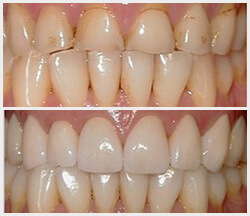
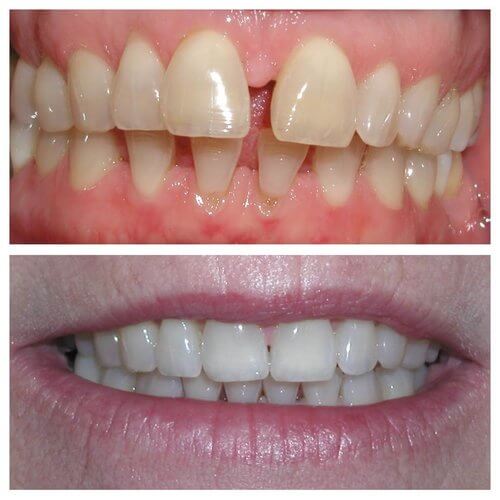
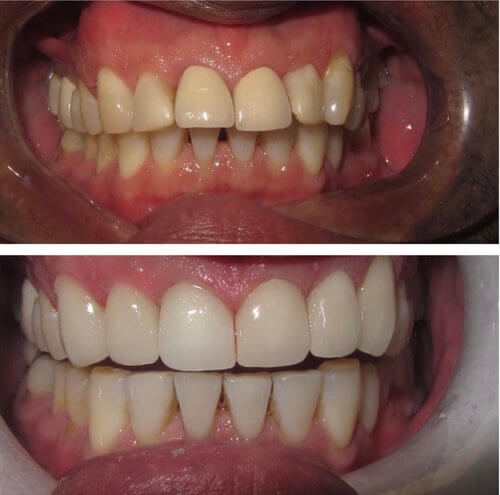
Why Staten Island Patients Trust Us With TMJ Care
We’re not a walk-in clinic guessing at a diagnosis — TMJ evaluation is something our dental team handles as part of comprehensive care under one roof, backed by more than 30 years of treating patients in this community, so if you need anything from a nightguard to a bite adjustment, you won’t be referred out. Contact our Staten Island dental office at (718) 948-5111 to set up an appointment and discuss your options.