You’ve heard the stories. Your neighbor’s friend had implants that failed. Someone online claims dental implants are too risky. A coworker says they’re too expensive. Maybe you’ve been told you’re “too old” for implants, or that you don’t have enough bone. These myths keep thousands of people from getting the tooth replacement they desperately need. At Nassol, Senna & Politano, we’ve helped hundreds of Staten Island patients overcome these misconceptions and restore their smiles.
The truth? Modern dental implants have success rates exceeding 95%. They’re not experimental. They’re not risky if you’re properly screened. And they often cost less over a lifetime than alternatives like dentures or bridges. If myths about implants have been holding you back, it’s time to separate fact from fiction.
Myth #1: Dental Implants Fail All the Time
One of the most persistent myths is that implants frequently fail. This comes from isolated stories that spread, while thousands of successful implants remain quietly functioning in people’s mouths for decades.
The reality: Modern implant success rates range from 95-98% depending on the study. That means failure rates are only 2-5%. When failures do occur, they typically happen in the first 6 months during the healing phase (osseointegration). Late failures—years after placement—are exceptionally rare.
Most implant failures can be traced to specific risk factors: uncontrolled diabetes, smoking, severe bone loss, or patient non-compliance with aftercare. In properly selected patients who follow post-operative instructions, success rates are even higher.
Myth #2: Implants Are Too Expensive
The upfront cost of an implant can seem shocking—often $2,000 to $6,000 per tooth. Many people look at that number and assume implants are only for the wealthy.
But consider the long-term math: A single implant lasts 20-30 years or even a lifetime. That works out to $6-10 per month. Compare that to dentures that need replacement every 5-7 years (adding up to $15,000-$30,000 over 30 years) or bridges that need replacement every 10-15 years. Implants are actually the most cost-effective long-term solution.
Additionally, dental insurance often covers 50% of implant costs, and many practices offer payment plans to make implants accessible.
Myth #3: You Need Lots of Bone to Get Implants
Some people are told they have “not enough bone” and assume implants are off the table. This myth persists because bone loss is real—but it’s also solvable.
Modern bone grafting techniques allow us to rebuild bone in areas where it’s been lost. Guided bone regeneration uses the body’s natural healing processes to grow new bone around the implant site. While bone grafting adds time and cost to treatment, it makes implants possible for patients who would have been rejected 20 years ago.
Even patients with severe bone loss can often be treated with advanced techniques like sinus lifts or zygomatic implants (implants anchored to the cheekbone instead of the jaw). Your dentist can assess your bone density with a 3D CT scan.
Myth #4: I’m Too Old for Implants
Age itself is not a barrier to implants. What matters is overall health, not the number of candles on your birthday cake.
We’ve placed successful implants in patients in their 70s, 80s, and even 90s. Patients with controlled diabetes, heart disease, or other chronic conditions can be excellent implant candidates if their conditions are well-managed. The real question is: “Are you healthy enough to heal?” not “How old are you?”
Many seniors specifically choose implants because they want to maintain their independence, enjoy a full diet, and smile without self-consciousness. Dentures require daily maintenance and can slip at embarrassing moments. Implants restore freedom.
Myth #5: Implants Feel Fake and Uncomfortable
Many people imagine that having a titanium screw in their jaw will feel foreign and uncomfortable. The opposite is usually true.
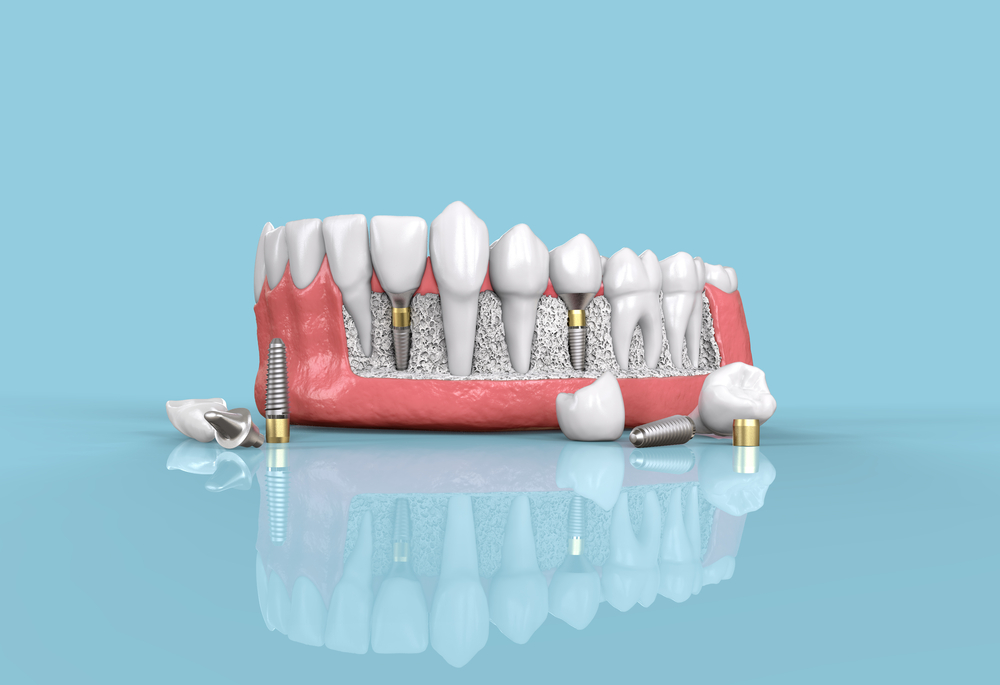
Once healed, implants feel indistinguishable from natural teeth. The crown is custom-made to match your existing teeth in color, shape, and size. Your bite adjusts naturally, and within weeks, most patients report that they’ve completely forgotten about their implant. It becomes part of them, functioning exactly like the tooth that was lost.
Myth #6: Implant Surgery Is Extremely Painful
The fear of pain keeps many people from pursuing implants. The good news: implant surgery is performed under sedation, and the procedure itself is painless.
You’ll feel pressure and vibration during surgery—but not pain, because the surgical site is completely numb. Post-operative discomfort is typically mild to moderate, similar to having a tooth extracted. It’s managed with prescribed pain medication and usually resolves within a week.
Myth #7: Implants Require Complicated, Ongoing Care
Some people assume implants need special cleaning products, constant maintenance, or frequent adjustments.
Actually, implants require the same care as natural teeth: brush twice daily with a soft-bristled toothbrush, floss carefully, and visit your dentist every 6 months. No special adhesives, no nightly soaking, no complicated routines. Once your implant is healed and your permanent crown is in place, you treat it like any other tooth.
Myth #8: Implants Look Fake or Obvious
Modern implant crowns are indistinguishable from natural teeth. Your dentist will carefully match the shade, contour, and shape to blend seamlessly with your smile.
Unlike older dentures or bridges that sometimes had an obvious artificial appearance, today’s ceramic and zirconia crowns mimic the translucency and color variation of natural teeth. Most people won’t know you have an implant unless you tell them.
Myth #9: Insurance Won’t Cover Implants
Many insurance plans do cover dental implants—at least partially. Most cover 50% of the implant cost, though coverage varies by plan and employer.
Even if your insurance covers nothing, many dental practices offer flexible payment plans and financing options to make implants accessible. The investment in implants often saves money long-term compared to repeated denture replacements or bridge work.
Myth #10: If You Have Gum Disease, You Can’t Get Implants
Uncontrolled gum disease is a contraindication for implants—but “having had gum disease” is not. If your gum disease is treated and controlled, implants can still be an option.
In fact, implants are often an excellent choice for patients with a history of gum disease and tooth loss. Unlike natural teeth, implants won’t get cavities. They still require good oral hygiene and regular professional care, but many patients find them easier to maintain than their natural teeth were.
If you’re considering dental implants but myths have held you back, it’s absolutely time to get the facts and explore your options. Contact us at (718) 948-5111 today to schedule your free consultation with the team at Nassol, Senna & Politano. We’ll answer all your questions, address your concerns, and help you understand whether implants are the right choice for restoring your beautiful smile. Your confidence and quality of life are worth it.